How much of the background do we actually need?
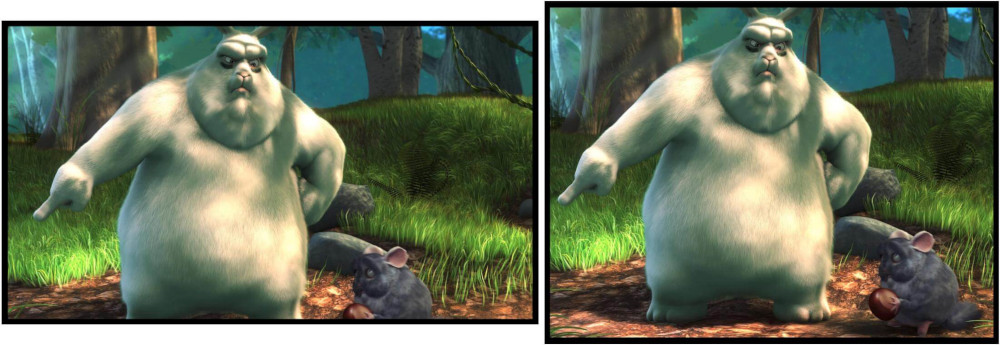
Way back when, 16:9 ‘'Widescreen'’ televisions started to appear in the local appliance shops. I remember thinking that they were weird and exotic looking, and expensive. These new models were sold as premium sets, still heavy CRTs, but with all the fancy accoutrements like deep bass, deep(ish) blacks, fast warm up, lots of strange sockets at the back. Once there was a Sony Trinitron model in the living room, all the fancy problems started to become apparent e.g., movies still had black bars at the top and bottom, broadcast television would randomly stretch from 4:3 to 16:9, and even fancier tech would try and normalise the centre of the picture, only stretching the sides, like wide angle phone cameras. For a ludicrous amount of time, possibly decades, breakfast news programmes only hired obese presenters, everything was blurrier, and Star Wars at Christmas was either panned, scanned, then reversed, blacked barred at 21:9, or cropped, doing the Empire's job for them by scalping all the rebels.
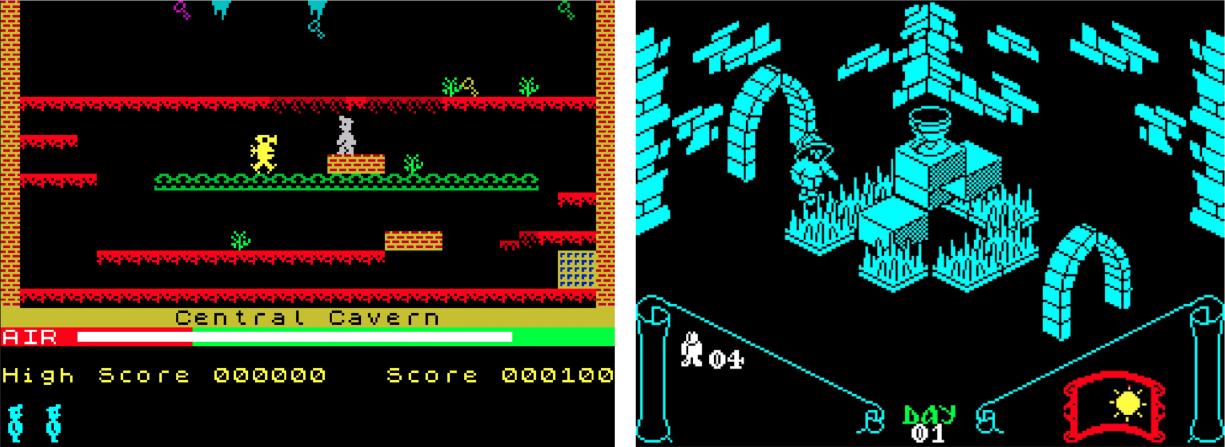
4:3 made perfect sense to me at the time, and still does. Your eyes don't need to dart about to take in all the detail, closeups can really be close up without having the actors peering through a letterbox, and you don't need to constantly change focus. However, manufacturers wanted you to replace your perfectly functional TV set, in fact, stop keeping everything for so long, replace your stuff regularly—be a good little consumer! Someone had the amazing idea to make movies a little bit bigger on TVs, so they invented the 16:9-ish aspect ratio, narrow enough so that CRTs would still work, wide enough to approach the absurd width of the previously invented ‘'Cinemascope'’ aspect. It was a compromise in both directions with a cavalcade of associated problems and weirdnesses.
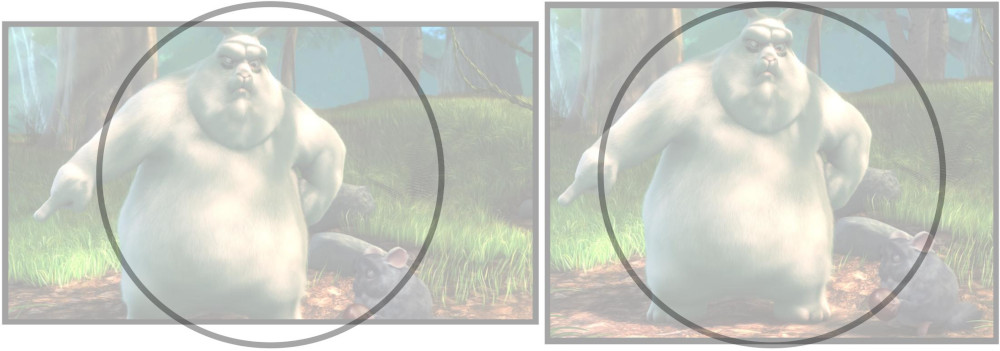
Human eyeballs have a spot of focus that's round.
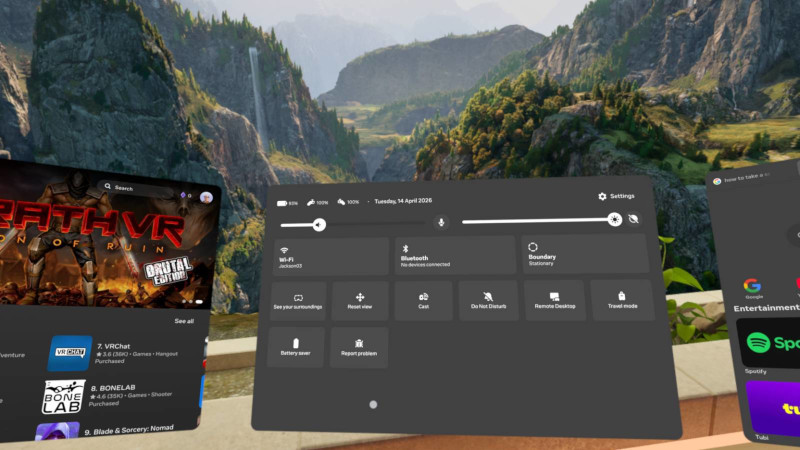
Once personal computers started furnishing themselves in every home, it became quickly clear that the transition to widescreen would be harder. There was quite a long period where 16:9 lived in the living room but the connected TV cum dedicated ‘monitor’ on the family PC was 4:3. Of course, reading documents, web pages, playing games, were all easier and better with more vertical space—there can only be so many words on a line. You may think ‘but just resize the application windows’—No! This was before windowed desktops and anyway, a large 4:3 space gives you more room for organising windows. Fight me.

We're not plains animals, we can't focus along a line, we focus on a circular spot and can move our eyes up and down as well as we can left to right. We never should have moved to widescreen, it was a marketing gambit to sell more TVs. It's terrible design and was a big mistake. There is some small movements towards a reversion, some computer laptop screens are getting taller, lots of 16:10 monitors, retro gaming is pushing the development of new 4:3 screens for handhelds. If there's a petition, I'll sign it.
~~~~~